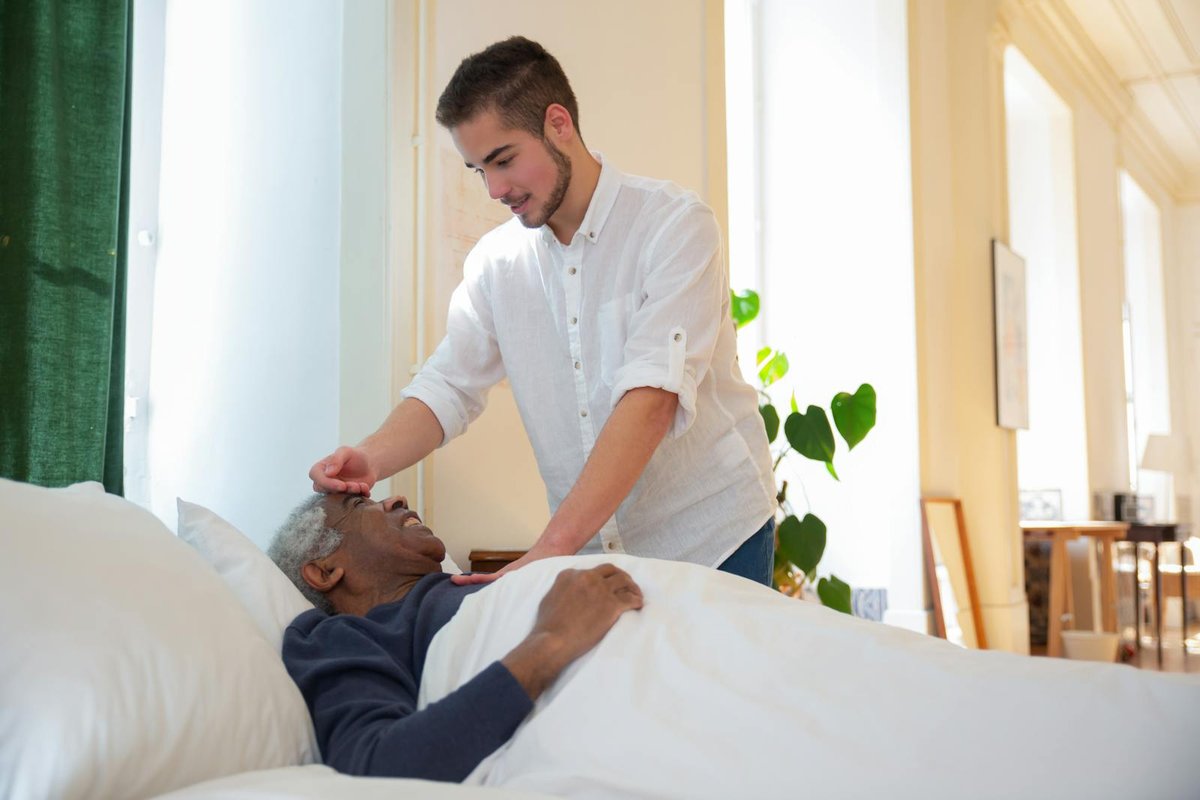
Caregiving can feel like navigating an unmarked trail through dense woods, often leaving you overwhelmed, lonely, and isolated. You're doing incredible, demanding work, but the constant pressure, the difficult decisions, and the emotional toll can make you feel like you're carrying the weight of the world alone. And sometimes, even the most well-meaning family and friends just don't fully get it.
That's where Resources & Community Support for Caregivers becomes not just helpful, but absolutely vital. Millions of caregivers nationwide face these very same struggles. Finding a community that understands, that truly sees you, can transform your journey from a solitary burden into a shared path, illuminated by empathy and practical wisdom.
At a Glance: Your Guide to Caregiver Support
- You're Not Alone: Millions of caregivers face similar challenges; support groups connect you with shared experiences.
- Find Your Fit: Groups focus on specific conditions (e.g., Alzheimer's) or the general caregiving role.
- Real-World Help: Gain advice on treatment, insurance, and practical care strategies from experienced peers.
- Safe Space to Share: Process difficult emotions like guilt or frustration in a non-judgmental environment.
- Boost Your Mental Health: Community support is crucial for your well-being, which in turn benefits your loved one.
- Where to Look: Start with local Caregiver Resource Centers (CRCs), healthcare teams, and advocacy organizations.
- No Pressure: Most meetings are informal, last about an hour, and there's no obligation to speak or keep attending.
The Unseen Burden: Why Every Caregiver Needs a Village
Caregiving isn't a 9-to-5 job; it's a 24/7 commitment that reshapes your life. It can lead to an array of intense feelings: overwhelm from endless tasks, loneliness despite being constantly present, isolation from your former social life, and even profound guilt or frustration when things get tough. These emotions are completely normal responses to an extraordinary situation, yet they're often bottled up, leading to burnout and significant stress.
When you're constantly focused on another's needs, your own can easily get pushed aside. This self-neglect is a common, almost inevitable, consequence of the role. However, maintaining your mental, emotional, and physical health isn't a luxury; it's a non-negotiable part of effective caregiving. After all, you can't pour from an empty cup. Community support offers a crucial lifeline, ensuring your cup gets refilled, often by those who intimately understand its needs.
What Exactly Is Caregiver Community Support?
At its core, community support for caregivers is about connection. It unites individuals around a common interest – in this case, the unique challenges and triumphs of caregiving. While support can come in many forms, the most common and powerful is the support group.
These groups bring together people who are navigating similar paths. Some groups might center on a loved one's specific ailment, like dementia or cancer, offering insights into particular diagnoses and treatment plans. Others focus more broadly on the caregiving role itself, addressing universal themes like managing stress, navigating family dynamics, or accessing resources. You'll find these gatherings operating out of hospitals, online (through virtual meetups that span geographical boundaries), or in local community centers. For instance, in California alone, thousands of such invaluable support groups exist, a testament to the universal need.
More Than Just Talk: Tangible Benefits of Joining a Group
Imagine walking into a room (or logging into a virtual call) where every single person immediately grasps what you're going through, without you having to explain the backstory. That's the power of a caregiver support group. It's not just a place to vent; it's a dynamic hub of shared wisdom, empathy, and practical solutions.
1. A Goldmine of Advice and Experience
Why reinvent the wheel when others have already navigated similar terrains? Support groups are often treasure troves of practical advice. Members, having walked the path before you, can offer insights on everything from understanding complex treatment plans and deciphering insurance paperwork to tackling tax questions related to care, or simply interpreting baffling diagnosis information. You'll learn tips and tricks that no manual can provide, directly from those who've been in the trenches.
2. A Non-Judgmental, Safe Place to Share
One of the most profound benefits is finding a truly uplifting and non-judgmental environment. Here, you can openly share and process your deepest experiences, thoughts, and often, those difficult, swirling feelings like guilt, anger, or profound sadness. No one will tell you "you shouldn't feel that way." Instead, you'll find understanding, validation, and a collective sigh of relief that comes from knowing your complex emotions are normal and accepted. This psychological safety is paramount for emotional healing.
3. A Sense of Community: You Are Not Alone
Perhaps the most critical function of a support group is fostering a robust sense of community. Caregivers often feel profoundly isolated, especially if their loved one's condition makes it difficult to maintain previous social connections. In a group, you'll find people who truly understand and can relate to your caregiving experience, serving as a powerful reminder that you are absolutely not alone. This community support isn't just a nice-to-have; it's essential for maintaining a caregiver's mental health, which, in turn, is crucial for the loved one's healing and overall care. Many caregivers also find themselves in a unique position, navigating not only caring for an aging parent but also raising their own children. For those balancing multiple generations, finding your tribe offers immense relief and specific strategies. You might even find common ground with others who are also Understanding the Sandwich Generation and its unique pressures.
4. The Fulfillment of Giving Back
Caregivers are natural givers. Joining a support group provides an opportunity to extend that giving spirit to peers. As you gain experience and wisdom, you'll find immense fulfillment in offering advice, encouragement, and a listening ear to others who are just starting their journey or facing new challenges. It’s a powerful cycle of empathy where everyone benefits.
Finding Your Tribe: A Step-by-Step Guide to Local Support
The good news is, finding a support group doesn't have to be another daunting task on your overflowing to-do list. There are dedicated resources designed to connect you.
1. Start with Your Local Caregiver Resource Center (CRC)
This is often your best first stop. Caregiver Resource Centers (CRCs) are invaluable hubs specifically designed to support family caregivers. Many CRCs, like the California Caregiver Resource Centers, serve as free resources to assist caregivers in navigating their role, connecting them with local programs and, crucially, a wide array of support groups.
CRCs often offer both General and Specialized Support Groups. This means you might find a group focused on general caregiving challenges or one tailored to a specific condition, such as Alzheimer's, Parkinson's, or stroke recovery. They also understand the diverse needs of communities, often offering options in various languages to ensure accessibility and comfort for all caregivers. A quick online search for "[Your State/City] Caregiver Resource Center" should point you in the right direction.
2. Lean on Your Loved One's Healthcare Team
Your loved one's healthcare providers are often well-connected within their professional networks and the community. A Primary Care Provider (PCP), a specialist, or even a social worker at their clinic or hospital, can be an excellent resource. These professionals are familiar with your situation and are often aware of support groups or other services specific to your loved one's condition or the caregiving role. Don't hesitate to ask them directly during your next appointment.
3. Connect with Advocacy Organizations
Is your loved one living with a specific health condition or disability? Chances are, there's an advocacy organization dedicated to it. Organizations like the Alzheimer's Association, the American Cancer Society, the National Parkinson's Foundation, or local chapters of disability advocacy groups often host their own support groups or can point you to reputable ones in your area. They are deeply embedded in their respective communities and are a fantastic source of condition-specific support.
4. Exploring Online & Community Options
Beyond the more structured resources, remember to consider:
- Online Platforms: Virtual meetups have become incredibly popular and accessible. Websites like Meetup.com, Facebook groups, or forums dedicated to specific conditions often host active online caregiver communities. These can be particularly beneficial for caregivers in rural areas or those with limited mobility.
- Community Centers & Places of Worship: Many local community centers, senior centers, or places of worship offer caregiver support groups. These often provide a comfortable, familiar environment and can be a great way to connect with people in your immediate neighborhood.
- Word of Mouth: Sometimes, the best recommendations come from other caregivers you meet through clinics, therapy sessions, or other care settings. Don't underestimate the power of a casual conversation.
Beyond Groups: Other Vital Caregiver Resources
While support groups are incredibly powerful, the umbrella of caregiver support extends much further. A holistic approach to your well-being means exploring all available avenues.
Specialized Programs and Education
Many communities recognize the need for specific caregiver education. For example, Fremont's Family Caregiver Support Program offers a robust suite of services, including specialized classes that teach practical caregiving skills, counseling sessions for individual support, and educational presentations on various topics relevant to caregiving. These programs partner with caregivers to help them provide optimal care for their loved ones while safeguarding their own health. Look for similar programs in your area offered by CRCs, hospitals, or local non-profits.
Respite Care Services
Taking a break isn't a luxury; it's a necessity. Respite care provides temporary relief for primary caregivers, allowing you to rest, attend to your own needs, or simply have some personal time. This can range from a few hours of in-home care to short-term stays in a facility. Many CRCs can help you find affordable or subsidized respite options. Prioritizing respite care is a proactive step against caregiver burnout.
Legal and Financial Guidance
The complexities of caregiving often extend into legal and financial territory. Understanding insurance policies, navigating Medicare/Medicaid, exploring tax deductions for caregivers, or planning for long-term care can be overwhelming. Some CRCs or advocacy organizations offer workshops or referrals to professionals specializing in these areas, providing clarity and guidance on these critical aspects of care.
Addressing Common Caregiver Questions & Misconceptions
It's natural to have questions or even some apprehension about joining a support group. Let's clear up a few common concerns.
"Do I have to speak if I join a group?"
Absolutely not. Most meetings are informal, offering a relaxed setting where you can simply chat or just listen to others with similar experiences. There is no obligation to speak, or even to continue attending if it doesn't feel like the right fit. Many caregivers find immense value simply in listening and realizing they're not alone in their thoughts and feelings.
"What if I don't 'fit in' with the group?"
Just like any social interaction, not every group will be a perfect match for every person. The key is to try a few. If one group doesn't resonate, don't give up! There are thousands of groups, each with its own dynamic and focus. You might find that a group focused on your loved one's specific condition feels more relevant, or perhaps a general caregiver support group offers the broader perspective you need. Keep looking until you find a community where you feel comfortable and understood.
"Isn't it selfish to focus on my own needs?"
This is a very common and understandable feeling among caregivers, but it's a misconception that can lead to burnout. Prioritizing your own well-being is not selfish; it's essential. Think of it like the airplane oxygen mask analogy: you must put your own mask on first before you can effectively help someone else. Your mental, emotional, and physical health directly impacts your ability to provide consistent, compassionate care. Taking care of yourself is taking care of your loved one.
"Will I be judged for feeling guilty or frustrated?"
Definitely not. In a good support group, you'll find an atmosphere of profound empathy. Feelings of guilt, frustration, resentment, anger, and even moments of wishing things were different are incredibly common in caregiving. These groups provide a judgment-free zone where these difficult emotions can be openly acknowledged, shared, and processed. You'll likely find that others have felt the exact same way, offering a powerful sense of validation and understanding.
Making the First Step Easier: What to Expect
When you attend a support group, whether in person or virtually, you can expect an environment that prioritizes comfort and confidentiality. Meetings typically last about an hour, structured enough to provide a framework but informal enough to encourage open sharing. You'll find a mix of individuals, some seasoned caregivers who have been attending for years, and others who are just taking their first tentative steps into the world of support.
The most important takeaway is that this is your space. You set the pace. You decide how much you want to share, if anything at all. The goal is to create a sense of solidarity and shared understanding, reminding you that your journey, as unique as it is, is connected to a larger community of compassionate individuals.
Your Well-Being Isn't a Luxury, It's Essential
The role of a caregiver is one of profound love and dedication, but it comes with immense challenges. You pour so much of yourself into the well-being of another, and it's equally crucial to ensure your own well-being is nurtured. Seeking out Resources & Community Support for Caregivers isn't a sign of weakness; it's a testament to your strength and your commitment to providing the best possible care, both for your loved one and for yourself.
Take that first step. Reach out to a local Caregiver Resource Center, speak with your loved one's healthcare team, or explore an advocacy organization. You deserve a community that understands, supports, and empowers you. Your village is out there, ready to welcome you with open arms.